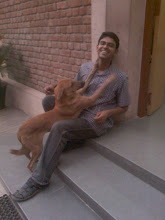
I'm facing something of a mental block when it comes to writing something original. I think a lot of it has to do with the crazy long hours at work but I'm hoping it will clear soon. (Scary thought, am I a writer pretending to be an MBA? Or an MBA pretending to be a writer? Or do I suck equally at both?)
Here's a speech by Bill Watterson that I love:
OME THOUGHTS ON THE REAL WORLD BY ONE WHO GLIMPSED IT AND FLED
Bill Watterson
Kenyon College Commencement
May 20, 1990
I have a recurring dream about Kenyon. In it, I'm walking to the post office on the way to my first class at the start of the school year. Suddenly it occurs to me that I don't have my schedule memorized, and I'm not sure which classes I'm taking, or where exactly I'm supposed to be going.
As I walk up the steps to the postoffice, I realize I don't have my box key, and in fact, I can't remember what my box number is. I'm certain that everyone I know has written me a letter, but I can't get them. I get more flustered and annoyed by the minute. I head back to Middle Path, racking my brains and asking myself, "How many more years until I graduate? ...Wait, didn't I graduate already?? How old AM I?" Then I wake up.
Experience is food for the brain. And four years at Kenyon is a rich meal. I suppose it should be no surprise that your brains will probably burp up Kenyon for a long time. And I think the reason I keep having the dream is because its central image is a metaphor for a good part of life: that is, not knowing where you're going or what you're doing.
I graduated exactly ten years ago. That doesn't give me a great deal of experience to speak from, but I'm emboldened by the fact that I can't remember a bit of MY commencement, and I trust that in half an hour, you won't remember of yours either.
In the middle of my sophomore year at Kenyon, I decided to paint a copy of Michelangelo's "Creation of Adam" from the Sistine Chapel on the ceiling of my dorm room. By standing on a chair, I could reach the ceiling, and I taped off a section, made a grid, and started to copy the picture from my art history book.
Working with your arm over your head is hard work, so a few of my more ingenious friends rigged up a scaffold for me by stacking two chairs on my bed, and laying the table from the hall lounge across the chairs and over to the top of my closet. By climbing up onto my bed and up the chairs, I could hoist myself onto the table, and lie in relative comfort two feet under my painting. My roommate would then hand up my paints, and I could work for several hours at a stretch.
The picture took me months to do, and in fact, I didn't finish the work until very near the end of the school year. I wasn't much of a painter then, but what the work lacked in color sense and technical flourish, it gained in the incongruity of having a High Renaissance masterpiece in a college dorm that had the unmistakable odor of old beer cans and older laundry.
The painting lent an air of cosmic grandeur to my room, and it seemed to put life into a larger perspective. Those boring, flowery English poets didn't seem quite so important, when right above my head God was transmitting the spark of life to man.
My friends and I liked the finished painting so much in fact, that we decided I should ask permission to do it. As you might expect, the housing director was curious to know why I wanted to paint this elaborate picture on my ceiling a few weeks before school let out. Well, you don't get to be a sophomore at Kenyon without learning how to fabricate ideas you never had, but I guess it was obvious that my idea was being proposed retroactively. It ended up that I was allowed to paint the picture, so long as I painted over it and returned the ceiling to normal at the end of the year. And that's what I did.
Despite the futility of the whole episode, my fondest memories of college are times like these, where things were done out of some inexplicable inner imperative, rather than because the work was demanded. Clearly, I never spent as much time or work on any authorized art project, or any poli sci paper, as I spent on this one act of vandalism.
It's surprising how hard we'll work when the work is done just for ourselves. And with all due respect to John Stuart Mill, maybe utilitarianism is overrated. If I've learned one thing from being a cartoonist, it's how important playing is to creativity and happiness. My job is essentially to come up with 365 ideas a year.
If you ever want to find out just how uninteresting you really are, get a job where the quality and frequency of your thoughts determine your livelihood. I've found that the only way I can keep writing every day, year after year, is to let my mind wander into new territories. To do that, I've had to cultivate a kind of mental playfulness.
We're not really taught how to recreate constructively. We need to do more than find diversions; we need to restore and expand ourselves. Our idea of relaxing is all too often to plop down in front of the television set and let its pandering idiocy liquefy our brains. Shutting off the thought process is not rejuvenating; the mind is like a car battery-it recharges by running.
You may be surprised to find how quickly daily routine and the demands of "just getting by: absorb your waking hours. You may be surprised to find how quickly you start to see your politics and religion become matters of habit rather than thought and inquiry. You may be surprised to find how quickly you start to see your life in terms of other people's expectations rather than issues. You may be surprised to find out how quickly reading a good book sounds like a luxury.
At school, new ideas are thrust at you every day. Out in the world, you'll have to find the inner motivation to search for new ideas on your own. With any luck at all, you'll never need to take an idea and squeeze a punchline out of it, but as bright, creative people, you'll be called upon to generate ideas and solutions all your lives. Letting your mind play is the best way to solve problems.
For me, it's been liberating to put myself in the mind of a fictitious six year-old each day, and rediscover my own curiosity. I've been amazed at how one ideas leads to others if I allow my mind to play and wander. I know a lot about dinosaurs now, and the information has helped me out of quite a few deadlines.
A playful mind is inquisitive, and learning is fun. If you indulge your natural curiosity and retain a sense of fun in new experience, I think you'll find it functions as a sort of shock absorber for the bumpy road ahead.
So, what's it like in the real world? Well, the food is better, but beyond that, I don't recommend it.
I don't look back on my first few years out of school with much affection, and if I could have talked to you six months ago, I'd have encouraged you all to flunk some classes and postpone this moment as long as possible. But now it's too late.
Unfortunately, that was all the advice I really had. When I was sitting where you are, I was one of the lucky few who had a cushy job waiting for me. I'd drawn political cartoons for the Collegian for four years, and the Cincinnati Post had hired me as an editorial cartoonist. All my friends were either dreading the infamous first year of law school, or despondent about their chances of convincing anyone that a history degree had any real application outside of academia.
Boy, was I smug.
As it turned out, my editor instantly regretted his decision to hire me. By the end of the summer, I'd been given notice; by the beginning of winter, I was in an unemployment line; and by the end of my first year away from Kenyon, I was broke and living with my parents again. You can imagine how upset my dad was when he learned that Kenyon doesn't give refunds.
Watching my career explode on the lauchpad caused some soul searching. I eventually admitted that I didn't have what it takes to be a good political cartoonist, that is, an interest in politics, and I returned to my firs love, comic strips.
For years I got nothing but rejection letters, and I was forced to accept a real job.
A REAL job is a job you hate. I designed car ads and grocery ads in the windowless basement of a convenience store, and I hated every single minute of the 4-1/2 million minutes I worked there. My fellow prisoners at work were basically concerned about how to punch the time clock at the perfect second where they would earn another 20 cents without doing any work for it.
It was incredible: after every break, the entire staff would stand around in the garage where the time clock was, and wait for that last click. And after my used car needed the head gasket replaced twice, I waited in the garage too.
It's funny how at Kenyon, you take for granted that the people around you think about more than the last episode of Dynasty. I guess that's what it means to be in an ivory tower.
Anyway, after a few months at this job, I was starved for some life of the mind that, during my lunch break, I used to read those poli sci books that I'd somehow never quite finished when I was here. Some of those books were actually kind of interesting. It was a rude shock to see just how empty and robotic life can be when you don't care about what you're doing, and the only reason you're there is to pay the bills.
Thoreau said,
"the mass of men lead lives of quiet desperation."
That's one of those dumb cocktail quotations that will strike fear in your heart as you get older. Actually, I was leading a life of loud desperation.
When it seemed I would be writing about "Midnite Madness Sale-abrations" for the rest of my life, a friend used to console me that cream always rises to the top. I used to think, so do people who throw themselves into the sea.
I tell you all this because it's worth recognizing that there is no such thing as an overnight success. You will do well to cultivate the resources in yourself that bring you happiness outside of success or failure. The truth is, most of us discover where we are headed when we arrive. At that time, we turn around and say, yes, this is obviously where I was going all along. It's a good idea to try to enjoy the scenery on the detours, because you'll probably take a few.
I still haven't drawn the strip as long as it took me to get the job. To endure five years of rejection to get a job requires either a faith in oneself that borders on delusion, or a love of the work. I loved the work.
Drawing comic strips for five years without pay drove home the point that the fun of cartooning wasn't in the money; it was in the work. This turned out to be an important realization when my break finally came.
Like many people, I found that what I was chasing wasn't what I caught. I've wanted to be a cartoonist since I was old enough to read cartoons, and I never really thought about cartoons as being a business. It never occurred to me that a comic strip I created would be at the mercy of a bloodsucking corporate parasite called a syndicate, and that I'd be faced with countless ethical decisions masquerading as simple business decisions.
To make a business decision, you don't need much philosophy; all you need is greed, and maybe a little knowledge of how the game works.
As my comic strip became popular, the pressure to capitalize on that popularity increased to the point where I was spending almost as much time screaming at executives as drawing. Cartoon merchandising is a $12 billion dollar a year industry and the syndicate understandably wanted a piece of that pie. But the more I though about what they wanted to do with my creation, the more inconsistent it seemed with the reasons I draw cartoons.
Selling out is usually more a matter of buying in. Sell out, and you're really buying into someone else's system of values, rules and rewards.
The so-called "opportunity" I faced would have meant giving up my individual voice for that of a money-grubbing corporation. It would have meant my purpose in writing was to sell things, not say things. My pride in craft would be sacrificed to the efficiency of mass production and the work of assistants. Authorship would become committee decision. Creativity would become work for pay. Art would turn into commerce. In short, money was supposed to supply all the meaning I'd need.
What the syndicate wanted to do, in other words, was turn my comic strip into everything calculated, empty and robotic that I hated about my old job. They would turn my characters into television hucksters and T-shirt sloganeers and deprive me of characters that actually expressed my own thoughts.
On those terms, I found the offer easy to refuse. Unfortunately, the syndicate also found my refusal easy to refuse, and we've been fighting for over three years now. Such is American business, I guess, where the desire for obscene profit mutes any discussion of conscience.
You will find your own ethical dilemmas in all parts of your lives, both personal and professional. We all have different desires and needs, but if we don't discover what we want from ourselves and what we stand for, we will live passively and unfulfilled. Sooner or later, we are all asked to compromise ourselves and the things we care about. We define ourselves by our actions. With each decision, we tell ourselves and the world who we are. Think about what you want out of this life, and recognize that there are many kinds of success.
Many of you will be going on to law school, business school, medical school, or other graduate work, and you can expect the kind of starting salary that, with luck, will allow you to pay off your own tuition debts within your own lifetime.
But having an enviable career is one thing, and being a happy person is another.
Creating a life that reflects your values and satisfies your soul is a rare achievement. In a culture that relentlessly promotes avarice and excess as the good life, a person happy doing his own work is usually considered an eccentric, if not a subversive. Ambition is only understood if it's to rise to the top of some imaginary ladder of success. Someone who takes an undemanding job because it affords him the time to pursue other interests and activities is considered a flake. A person who abandons a career in order to stay home and raise children is considered not to be living up to his potential-as if a job title and salary are the sole measure of human worth.
You'll be told in a hundred ways, some subtle and some not, to keep climbing, and never be satisfied with where you are, who you are, and what you're doing. There are a million ways to sell yourself out, and I guarantee you'll hear about them.
To invent your own life's meaning is not easy, but it's still allowed, and I think you'll be happier for the trouble.
Reading those turgid philosophers here in these remote stone buildings may not get you a job, but if those books have forced you to ask yourself questions about what makes life truthful, purposeful, meaningful, and redeeming, you have the Swiss Army Knife of mental tools, and it's going to come in handy all the time.
I think you'll find that Kenyon touched a deep part of you. These have been formative years. Chances are, at least of your roommates has taught you everything ugly about human nature you ever wanted to know.
With luck, you've also had a class that transmitted a spark of insight or interest you'd never had before. Cultivate that interest, and you may find a deeper meaning in your life that feeds your soul and spirit. Your preparation for the real world is not in the answers you've learned, but in the questions you've learned how to ask yourself.
Graduating from Kenyon, I suspect you'll find yourselves quite well prepared indeed.
I wish you all fulfillment and happiness. Congratulations on your achievement.
Bill Watterson
Sunday, December 14, 2008


Friday, November 07, 2008
Tuesday, October 07, 2008
It looks like the next update could take a while. A certain lethargy has crept in. I’ve been in no mood to write for the last few weeks. Besides, these are difficult times for my family.
I’m in Noida now, determinedly pushing for a transfer to Bangalore. Until that transfer I am going to remain in a state of suspended animation. After an extremely hectic initial couple of months, I’ve been drifting around with nothing much to do.
Sitting idle in the office is fun for a while but then it starts getting on your nerves. What am I doing? Where is my life heading? How much money can I hope to make in five years time? Am I adding value to my resume? How secure is my future in the IT industry? How secure is the IT industry? Did I make the right choices? These are questions that haunt my idle mind.
I’m waiting for something to give.
I’m in Noida now, determinedly pushing for a transfer to Bangalore. Until that transfer I am going to remain in a state of suspended animation. After an extremely hectic initial couple of months, I’ve been drifting around with nothing much to do.
Sitting idle in the office is fun for a while but then it starts getting on your nerves. What am I doing? Where is my life heading? How much money can I hope to make in five years time? Am I adding value to my resume? How secure is my future in the IT industry? How secure is the IT industry? Did I make the right choices? These are questions that haunt my idle mind.
I’m waiting for something to give.
Thursday, October 02, 2008
Wednesday, September 24, 2008

Thursday, September 18, 2008
Monday, September 08, 2008
In my fathers cupboard lie about dozen dhotis or veshtis as we call them. Faded white and mildly stained, they are fairly unremarkable in appearance. To a layman they might even appear to be flimsy, ageing bed sheets. They are soft and comforting to touch and as I walk, I can imagine the wind fluffing up the fabric as it brushes softly against my legs. There are few garments that can provide the comfort and ventilation that a humble veshti can.
But then I’ve always been a boxer and Bermuda man, I’ve never really chosen to wear a veshti for comfort. Other then religious occasions, I’ve never been forced to wear one. The few times that I have worn a veshti, I have ensured that I’m wearing a pair of shorts beneath and that a belt holds the veshti snugly in place. The truth is, I’ve always had a deathly fear that the veshti would abruptly slip from my waist and slide down in rippling cascades, leaving me open mouthed in front of an unimpressed audience.
When Appa came home from Pondicherry on weekends, he would promptly slip into a veshti and baniyan after a bath. With the baniyan fraying at the sleeves and the faded veshti morosely sweeping the floor as he shuffled across the hall, the very sight of him in that attire caused my mother to go into fits.
“Why must you wear the same old baniyan?” she would cry, “you have so many fresher ones in the cupboard! And is that the way to wear a veshti?? The edges have turned brown from all the dirt that you have generously picked up from the floor! I’ll tell Renuka that she doesn’t need to sweep tomorrow!” In reply Appa would merely shrug his shoulders and go to sleep. Amma would grumble for a while before retiring to bed too.
If it got cold, Appa would take off the veshti and use it as a bed sheet. Of all his habits, this was the one that ticked her off the most. She would give him no peace, threatening him with dire consequences until he put it back on and used a proper bed sheet instead.
“Its disgusting Dev! I feel so embarrassed! Why aren’t you using a bed sheet if you feel cold? What kind of example are you setting for your son? ”.
Appa would groan and comply. Amma would continue to stare at the ceiling and seethe until sleep overcame her. I would smile in the dark and wonder if I’d have similar arguments in the distant future.
And then one day Appa unexpectedly slipped into a pair of oversized brown Bermudas and announced that he had no intentions of clambering out of them. The veshti had been sacrificed for a higher sartorial calling he said; now Amma wouldn’t have to worry about the dirt; after all the Bermuda would never brush against the floor.
Much to his surprise, both my mother and grandmother vehemently opposed the move. To Patti, it was added proof that we as a family were forgetting our roots and blindly aping the west. Her grandson could be forgiven for his attire but her fifty year old son prancing about in Bermudas? It was blasphemy! It was only a matter of time before he wore jeans and started referring to Amma as “Babe”.
To my mother, it seemed like Appa’s sartorial tastes had hit an all time low. While a trailing veshti had been bad enough, a pair of dirty brown Bermudas was the limit! What would the neighbors think? Not to mention her colleagues in school?
“You look ridiculous!” she hissed over the dinner table. “Who would believe you are a physics professor? With that old baniyan and that awful Bermuda, you look like a server boy in a tea shop!”
Patient as he was, even Appa was stung by the remark.
“Who cares what I look like? I’m only sitting in my room, not parading it in front of British Royalty! Besides, it’s my house! I won’t have a dress code imposed on me here!”
Amma ground her teeth and Patti lamented the loss of our culture. I kept out of the argument because I couldn’t pick a side. While I approved of Appa’s open act of rebellion, I couldn’t quite appreciate the way he looked. If he had looked unremarkable in the veshti, he looked a little silly in those corduroy Bermudas. When they became a little loose, Appa would hitch them up around his prominent tummy and tie the dangling naada into a neat bow.
While in a pair of formals, Appa looked every bit like the distinguished intellectual he actually was, with his tattered vest curving over his tummy and merging far too early with the Bermudas that flapped loosely around his skinny legs, I had to admit he looked better in the veshti.
When they realized that their protests were being ignored, Amma and Patti began to resort to more insidious methods. They either sulked or gazed morosely at his legs and sighed. Patti even threatened to pack up and go live with my uncle.
After a while, they stopped allowing Appa to answer the front door. Each time the doorbell rang, they would trip over themselves to get to the door before he did. They had a morbid fear that the visitor would catch sight of Appa and cause shame to descend on the family. After the visitor had been seated in the front hall, they would go to his room and curtly instruct him to change into something more decent before coming out.
The weeks of incessant badgering finally broke Appa’s resolve. One morning he walked into my room and gifted me his Bermudas. I accepted them and stowed them in my cupboard, knowing that I would never ever wear that pair in my life. Appa went back to sweeping the floor with his veshti and Amma was relieved to have something familiar to brood over.
I guess in the end, the real reason why I didn’t take to a veshti was because I associated it with a certain middle aged tiredness. Even though I inherited all of my father’s clothes, I left the veshtis in the cupboard. There was no place in my life as a young active MBA for a worn, middle class veshti.
-------------------------------------------------------------------------------------
My roomies and I were celebrating the arrival of our first MBA salary. It had been a stressful few weeks at the office but now that we had settled in, the future looked bright. The thought of a healthy bank balance made us smile contentedly. For that night alone we forgot our petty squabbles and bonded over alcohol. After all, there was nothing like a daaru party to celebrate.
I for my part had declined the heavy drinks, preferring instead to primly hold onto a bottle of Bacardi Breezer. True with an alcohol content of less than 5%, it was scorned as a dainty ladies drink by the guys, but I didn’t care. I could sit with them and drink and not feel guilty later. Besides, it certainly tasted nice.
We laughed, shared stories and as the alcohol levels in our blood rose, we began to have passionate arguments on everything from the Nuclear Deal to the acting abilities of Salman Khan. After we began to tire of the arguments we switched on the TV and waited for the images to appear. We’d been given an ancient and cantankerous television as part of our paying guest accommodation and it took its own sweet time to warm up and show images. Until then it was pretty much a radio.
As the images slowly swam to the surface, we realized that we were watching MTV’s Splitsvilla. I was watching it for the first time and was aghast by what I saw. From what I could gather, a couple of annoying young men got to pick and choose a partner from over a dozen eager, nubile young women. It wasn’t the theme that bothered me. What offended me was how pseudo the whole setup was. The cast looked like a bunch of half witted actors mouthing an inane script. The entire setup was so forced, I couldn’t help but wince. Where was reality TV taking us? It wasn’t even real!
I’m no moralist but suddenly I could catch a glimpse of what my grandmother had meant when she said we were forgetting our roots. If my kids were going to grow up watching such unadulterated rot then the next generation was going to be pretty much screwed.
And then I began to feel guilty. Who was I to pass disparaging remarks? I was no shining example of Indian culture. How could my children possibly look to me for guidance on the same? Something clicked in my head. I quietly slipped out of the hall and made my way into my room.
During my last trip to Bangalore, in a haste to leave for the airport, I had packed by Brother in laws veshti into my bag, mistaking it for a towel. It was buried inside my cupboard now and I hadn’t touched it.
I gingerly unrolled it and carefully wrapped it around my waist. I still hadn’t mastered the art of trying it properly but for a few moments, it held its position. I looked at my reflection in the mirror and had to admit I didn’t look bad. In fact I looked like I’d been wearing it all my life. The veshti completed me.
I smiled at my image and then quietly slipped out of it, knowing that I would be wearing it again soon...
But then I’ve always been a boxer and Bermuda man, I’ve never really chosen to wear a veshti for comfort. Other then religious occasions, I’ve never been forced to wear one. The few times that I have worn a veshti, I have ensured that I’m wearing a pair of shorts beneath and that a belt holds the veshti snugly in place. The truth is, I’ve always had a deathly fear that the veshti would abruptly slip from my waist and slide down in rippling cascades, leaving me open mouthed in front of an unimpressed audience.
When Appa came home from Pondicherry on weekends, he would promptly slip into a veshti and baniyan after a bath. With the baniyan fraying at the sleeves and the faded veshti morosely sweeping the floor as he shuffled across the hall, the very sight of him in that attire caused my mother to go into fits.
“Why must you wear the same old baniyan?” she would cry, “you have so many fresher ones in the cupboard! And is that the way to wear a veshti?? The edges have turned brown from all the dirt that you have generously picked up from the floor! I’ll tell Renuka that she doesn’t need to sweep tomorrow!” In reply Appa would merely shrug his shoulders and go to sleep. Amma would grumble for a while before retiring to bed too.
If it got cold, Appa would take off the veshti and use it as a bed sheet. Of all his habits, this was the one that ticked her off the most. She would give him no peace, threatening him with dire consequences until he put it back on and used a proper bed sheet instead.
“Its disgusting Dev! I feel so embarrassed! Why aren’t you using a bed sheet if you feel cold? What kind of example are you setting for your son? ”.
Appa would groan and comply. Amma would continue to stare at the ceiling and seethe until sleep overcame her. I would smile in the dark and wonder if I’d have similar arguments in the distant future.
And then one day Appa unexpectedly slipped into a pair of oversized brown Bermudas and announced that he had no intentions of clambering out of them. The veshti had been sacrificed for a higher sartorial calling he said; now Amma wouldn’t have to worry about the dirt; after all the Bermuda would never brush against the floor.
Much to his surprise, both my mother and grandmother vehemently opposed the move. To Patti, it was added proof that we as a family were forgetting our roots and blindly aping the west. Her grandson could be forgiven for his attire but her fifty year old son prancing about in Bermudas? It was blasphemy! It was only a matter of time before he wore jeans and started referring to Amma as “Babe”.
To my mother, it seemed like Appa’s sartorial tastes had hit an all time low. While a trailing veshti had been bad enough, a pair of dirty brown Bermudas was the limit! What would the neighbors think? Not to mention her colleagues in school?
“You look ridiculous!” she hissed over the dinner table. “Who would believe you are a physics professor? With that old baniyan and that awful Bermuda, you look like a server boy in a tea shop!”
Patient as he was, even Appa was stung by the remark.
“Who cares what I look like? I’m only sitting in my room, not parading it in front of British Royalty! Besides, it’s my house! I won’t have a dress code imposed on me here!”
Amma ground her teeth and Patti lamented the loss of our culture. I kept out of the argument because I couldn’t pick a side. While I approved of Appa’s open act of rebellion, I couldn’t quite appreciate the way he looked. If he had looked unremarkable in the veshti, he looked a little silly in those corduroy Bermudas. When they became a little loose, Appa would hitch them up around his prominent tummy and tie the dangling naada into a neat bow.
While in a pair of formals, Appa looked every bit like the distinguished intellectual he actually was, with his tattered vest curving over his tummy and merging far too early with the Bermudas that flapped loosely around his skinny legs, I had to admit he looked better in the veshti.
When they realized that their protests were being ignored, Amma and Patti began to resort to more insidious methods. They either sulked or gazed morosely at his legs and sighed. Patti even threatened to pack up and go live with my uncle.
After a while, they stopped allowing Appa to answer the front door. Each time the doorbell rang, they would trip over themselves to get to the door before he did. They had a morbid fear that the visitor would catch sight of Appa and cause shame to descend on the family. After the visitor had been seated in the front hall, they would go to his room and curtly instruct him to change into something more decent before coming out.
The weeks of incessant badgering finally broke Appa’s resolve. One morning he walked into my room and gifted me his Bermudas. I accepted them and stowed them in my cupboard, knowing that I would never ever wear that pair in my life. Appa went back to sweeping the floor with his veshti and Amma was relieved to have something familiar to brood over.
I guess in the end, the real reason why I didn’t take to a veshti was because I associated it with a certain middle aged tiredness. Even though I inherited all of my father’s clothes, I left the veshtis in the cupboard. There was no place in my life as a young active MBA for a worn, middle class veshti.
-------------------------------------------------------------------------------------
My roomies and I were celebrating the arrival of our first MBA salary. It had been a stressful few weeks at the office but now that we had settled in, the future looked bright. The thought of a healthy bank balance made us smile contentedly. For that night alone we forgot our petty squabbles and bonded over alcohol. After all, there was nothing like a daaru party to celebrate.
I for my part had declined the heavy drinks, preferring instead to primly hold onto a bottle of Bacardi Breezer. True with an alcohol content of less than 5%, it was scorned as a dainty ladies drink by the guys, but I didn’t care. I could sit with them and drink and not feel guilty later. Besides, it certainly tasted nice.
We laughed, shared stories and as the alcohol levels in our blood rose, we began to have passionate arguments on everything from the Nuclear Deal to the acting abilities of Salman Khan. After we began to tire of the arguments we switched on the TV and waited for the images to appear. We’d been given an ancient and cantankerous television as part of our paying guest accommodation and it took its own sweet time to warm up and show images. Until then it was pretty much a radio.
As the images slowly swam to the surface, we realized that we were watching MTV’s Splitsvilla. I was watching it for the first time and was aghast by what I saw. From what I could gather, a couple of annoying young men got to pick and choose a partner from over a dozen eager, nubile young women. It wasn’t the theme that bothered me. What offended me was how pseudo the whole setup was. The cast looked like a bunch of half witted actors mouthing an inane script. The entire setup was so forced, I couldn’t help but wince. Where was reality TV taking us? It wasn’t even real!
I’m no moralist but suddenly I could catch a glimpse of what my grandmother had meant when she said we were forgetting our roots. If my kids were going to grow up watching such unadulterated rot then the next generation was going to be pretty much screwed.
And then I began to feel guilty. Who was I to pass disparaging remarks? I was no shining example of Indian culture. How could my children possibly look to me for guidance on the same? Something clicked in my head. I quietly slipped out of the hall and made my way into my room.
During my last trip to Bangalore, in a haste to leave for the airport, I had packed by Brother in laws veshti into my bag, mistaking it for a towel. It was buried inside my cupboard now and I hadn’t touched it.
I gingerly unrolled it and carefully wrapped it around my waist. I still hadn’t mastered the art of trying it properly but for a few moments, it held its position. I looked at my reflection in the mirror and had to admit I didn’t look bad. In fact I looked like I’d been wearing it all my life. The veshti completed me.
I smiled at my image and then quietly slipped out of it, knowing that I would be wearing it again soon...
Wednesday, August 20, 2008
Sunday, August 10, 2008
The 'Thotho' is a uniquely Bengali ceremony performed on the evening before the wedding. Representatives from the bride’s house visit the house of the groom’s in their best clothes, their arms laden with gifts. They cascade inside in endless cheerful waves, laughing, joking among themselves and loudly calling out greetings to everyone from behind the towering piles of gifts. A happy buzz fills the house. Compared to the formal, sober Tam Brahm wedding ceremonies that I was used to attending my cousin Prashant’s wedding seemed to be a riot of laughter, colour and noise.
A room was specially allotted to them to place their gifts. Within minutes every square inch of the floor was completely covered with cellophane wrapped trays carrying a bewildering range of gifts. I saw a brand new suit, formal shoes, deodorants, perfumes, imported soap, a shaving kit, an Ipod, two digital cameras, a cell phone, assorted nuts, a fruit basket, dozens of Bengali sweets, Swiss chocolates and even a foot massager.
“And where is the groom?” one of the ladies turned to me and asked with an evil smile.
“He’s just getting ready. He’s changing in his room” I replied.
They laughed and exchanged knowing smiles. I couldn’t quite figure out why. Did they want to tease him? The bride to be hadn’t come anyway. She wasn’t supposed to see her future husband on the day before the wedding. So who could they embarrass him in front of? Little did I know of what was in store for him.
When Prashant emerged from his room, the entire party fell on him and dragged him as he kicked and protested loudly to a chair placed specially in the center of the hall. Quick as a flash they undressed him, leaving him clad only in a skimpy pair of boxers. With boisterous encouragement from the crowd, a few of the bride’s aunts began smearing vast quantities of moist turmeric on his face, torso and legs. Within a few seconds he was totally unrecognizable as a human being.
I was mystified by the ritual. One of the bride’s cousins turned to me and explained how the same turmeric would be smeared on the bride on the morning of the wedding. I wanted to prod him for more details but he returned to the crowd to cheer his aunts on.
The elders from our own side gazed at the spectacle with horrified fascination. The groom was never attacked in our own weddings. He was revered and practically worshiped, whereas here the groom was being stripped and manhandled by the ladies of the house.
I for one found the whole thing hilarious. Now this was the atmosphere a wedding ought to have. I envied the Bengalis for the easy camaraderie that they demonstrated. A wedding was a simple, joyous affair, a time for happiness and celebration, not a time to worry if the groom’s side was happy with the arrangements. I took out my digi cam and began snapping pictures from every possible angle. Standing on a chair as I was unable to penetrate the frenzied crowds, I called out to Prashant and asked him to smile. He bared his teeth in my direction.
“Dinesh!” my uncle called out. I reluctantly abandoned the chair and pushed my way through the crowd towards him.
Smiling, he reached for me and placed his arm around my shoulders. “This is my sister Praveena’s only son” he introduced me to a family consisting of a middle aged couple and a grandmother. The family had been nodding and smiling as he introduced me but their smiles vanished the moment my mothers name was mentioned. Instantly their faces assumed a troubled expression and they gazed at me gloomily. I didn’t know what to say. I was caught up in the festivities and I didn’t really feel like raking up the past. I was in no frame of mind to discuss their deaths. Besides, I felt vastly uncomfortable receiving the sympathy of strangers.
I was uneasy because I made them uneasy. I didn’t want to make them to feel like I was writhing in pain inside because it made things extremely awkward. I had no idea what I was supposed to do. Was I supposed to assume the suffering expression of an unfortunate victim or was I supposed to pretend like it was no big deal? In the embarrassing silence that ensued, I kept my eyes glued to the floor and hoped they would go away. A stranger could never be privy to my feelings.
It wasn’t just that I couldn’t how to express grief in front of those I didn’t know. There were times when I didn’t have a clue to how I felt about it myself. The hurt and suffering swam somewhere in the murky depths of my consciousness but I could never reach out and touch them during the day. I would ask myself how it felt to not have parents and never get a reply. The answer was too complex.
When the people I sat next to on trains and buses struck up a polite conversation to help pass time on a long journey asked me what my father did, I would tell them he was no more. They would immediately express their sympathy and after a brief silence hesitantly ask me what my mother did. Over a period of time I learnt that it was unwise to reveal she too had passed away because it threw them into confusion on how to react. The rest of the journey would be ruined. The bolder ones would ask me for details – something I resented but could never convey while the quieter ones would mumble their sympathy and hide behind their news papers, giving me a sad peek from time to time. To avoid the embarrassment I began to pretend that everything was just the same as it used to be: That my father was a University professor and my mother a school teacher. It helped avoid complications but I felt hollow inside as I gaily narrated these true lies.
As I shifted uncomfortably on my feet, I felt a hand reach up and caress my cheek. It was the grandmother and she smiled sweetly at me as she looked deep into my eyes and murmured a few kind words. She spoke in Bengali but I understood what she was trying to convey. Somehow her touch made all the difference. I didn’t try to move away.
Still smiling she patted her knee and beckoned. Unsure of what she meant, I turned to my uncle for help.
“She wants you to sit on her knee” he whispered.
“Eh?”
“Just do it.”
She patted her knee again and gave me a radiant smile. I had no idea how to respond. How could I possibly sit on her without crushing the life out of her? Besides I was twenty five. I couldn’t possibly clamber onto her lap; I’d lost the right to such behavior more than a decade ago. The idea of a full grown adult sitting on the lap of a sweet old lady seemed patently ridiculous. Yet there she was, smiling and gently encouraging me to do just the same. Even her son and daughter in law didn’t have any objections. The entire family was nodding and smiling, wanting me to paralyze her from waist below. Unable to protest, I lowered myself gingerly onto her knee, expecting to hear her bones crack any moment. Her knees held. I sat, rigid, blinking, immobile and afraid to breathe. I was fully conscious of the spectacle I was making.
She laughed softly and patted me on the head. Holding my chin, she looked into my eyes and whispered in Bengali. I fell silent and listened.
We were strangers. We belonged to different times and different cultures. Five decades stretched between us. She spoke only Bengali and yet she connected with me like no one else had. Maybe it was because of her age, or the light of understanding that seemed to shine in her eyes. I knew that she knew how I felt deep inside. Slowly, I felt my inhibitions melt away. Sitting on her lap, my heart suddenly wanted to tell her how much I missed my parents, of how I dreamt of them every night and woke up disoriented, unable to bridge the gap between my past life and my present. I wanted to tell her how I hated hospitals, of how the sight of an ice box paralyzed me, of how unreal it was to watch their bodies roll towards the roaring flames of the crematorium.
But of course I didn’t actually say anything. I knew I didn’t have to. She would know anyway.
I don’t think I spent more than a minute on her lap. But it was enough. She smiled again as I rose. I smiled back and returned to the crowd feeling at peace with myself.
I think she knew that I needed a lap to sit on.
A room was specially allotted to them to place their gifts. Within minutes every square inch of the floor was completely covered with cellophane wrapped trays carrying a bewildering range of gifts. I saw a brand new suit, formal shoes, deodorants, perfumes, imported soap, a shaving kit, an Ipod, two digital cameras, a cell phone, assorted nuts, a fruit basket, dozens of Bengali sweets, Swiss chocolates and even a foot massager.
“And where is the groom?” one of the ladies turned to me and asked with an evil smile.
“He’s just getting ready. He’s changing in his room” I replied.
They laughed and exchanged knowing smiles. I couldn’t quite figure out why. Did they want to tease him? The bride to be hadn’t come anyway. She wasn’t supposed to see her future husband on the day before the wedding. So who could they embarrass him in front of? Little did I know of what was in store for him.
When Prashant emerged from his room, the entire party fell on him and dragged him as he kicked and protested loudly to a chair placed specially in the center of the hall. Quick as a flash they undressed him, leaving him clad only in a skimpy pair of boxers. With boisterous encouragement from the crowd, a few of the bride’s aunts began smearing vast quantities of moist turmeric on his face, torso and legs. Within a few seconds he was totally unrecognizable as a human being.
I was mystified by the ritual. One of the bride’s cousins turned to me and explained how the same turmeric would be smeared on the bride on the morning of the wedding. I wanted to prod him for more details but he returned to the crowd to cheer his aunts on.
The elders from our own side gazed at the spectacle with horrified fascination. The groom was never attacked in our own weddings. He was revered and practically worshiped, whereas here the groom was being stripped and manhandled by the ladies of the house.
I for one found the whole thing hilarious. Now this was the atmosphere a wedding ought to have. I envied the Bengalis for the easy camaraderie that they demonstrated. A wedding was a simple, joyous affair, a time for happiness and celebration, not a time to worry if the groom’s side was happy with the arrangements. I took out my digi cam and began snapping pictures from every possible angle. Standing on a chair as I was unable to penetrate the frenzied crowds, I called out to Prashant and asked him to smile. He bared his teeth in my direction.
“Dinesh!” my uncle called out. I reluctantly abandoned the chair and pushed my way through the crowd towards him.
Smiling, he reached for me and placed his arm around my shoulders. “This is my sister Praveena’s only son” he introduced me to a family consisting of a middle aged couple and a grandmother. The family had been nodding and smiling as he introduced me but their smiles vanished the moment my mothers name was mentioned. Instantly their faces assumed a troubled expression and they gazed at me gloomily. I didn’t know what to say. I was caught up in the festivities and I didn’t really feel like raking up the past. I was in no frame of mind to discuss their deaths. Besides, I felt vastly uncomfortable receiving the sympathy of strangers.
I was uneasy because I made them uneasy. I didn’t want to make them to feel like I was writhing in pain inside because it made things extremely awkward. I had no idea what I was supposed to do. Was I supposed to assume the suffering expression of an unfortunate victim or was I supposed to pretend like it was no big deal? In the embarrassing silence that ensued, I kept my eyes glued to the floor and hoped they would go away. A stranger could never be privy to my feelings.
It wasn’t just that I couldn’t how to express grief in front of those I didn’t know. There were times when I didn’t have a clue to how I felt about it myself. The hurt and suffering swam somewhere in the murky depths of my consciousness but I could never reach out and touch them during the day. I would ask myself how it felt to not have parents and never get a reply. The answer was too complex.
When the people I sat next to on trains and buses struck up a polite conversation to help pass time on a long journey asked me what my father did, I would tell them he was no more. They would immediately express their sympathy and after a brief silence hesitantly ask me what my mother did. Over a period of time I learnt that it was unwise to reveal she too had passed away because it threw them into confusion on how to react. The rest of the journey would be ruined. The bolder ones would ask me for details – something I resented but could never convey while the quieter ones would mumble their sympathy and hide behind their news papers, giving me a sad peek from time to time. To avoid the embarrassment I began to pretend that everything was just the same as it used to be: That my father was a University professor and my mother a school teacher. It helped avoid complications but I felt hollow inside as I gaily narrated these true lies.
As I shifted uncomfortably on my feet, I felt a hand reach up and caress my cheek. It was the grandmother and she smiled sweetly at me as she looked deep into my eyes and murmured a few kind words. She spoke in Bengali but I understood what she was trying to convey. Somehow her touch made all the difference. I didn’t try to move away.
Still smiling she patted her knee and beckoned. Unsure of what she meant, I turned to my uncle for help.
“She wants you to sit on her knee” he whispered.
“Eh?”
“Just do it.”
She patted her knee again and gave me a radiant smile. I had no idea how to respond. How could I possibly sit on her without crushing the life out of her? Besides I was twenty five. I couldn’t possibly clamber onto her lap; I’d lost the right to such behavior more than a decade ago. The idea of a full grown adult sitting on the lap of a sweet old lady seemed patently ridiculous. Yet there she was, smiling and gently encouraging me to do just the same. Even her son and daughter in law didn’t have any objections. The entire family was nodding and smiling, wanting me to paralyze her from waist below. Unable to protest, I lowered myself gingerly onto her knee, expecting to hear her bones crack any moment. Her knees held. I sat, rigid, blinking, immobile and afraid to breathe. I was fully conscious of the spectacle I was making.
She laughed softly and patted me on the head. Holding my chin, she looked into my eyes and whispered in Bengali. I fell silent and listened.
We were strangers. We belonged to different times and different cultures. Five decades stretched between us. She spoke only Bengali and yet she connected with me like no one else had. Maybe it was because of her age, or the light of understanding that seemed to shine in her eyes. I knew that she knew how I felt deep inside. Slowly, I felt my inhibitions melt away. Sitting on her lap, my heart suddenly wanted to tell her how much I missed my parents, of how I dreamt of them every night and woke up disoriented, unable to bridge the gap between my past life and my present. I wanted to tell her how I hated hospitals, of how the sight of an ice box paralyzed me, of how unreal it was to watch their bodies roll towards the roaring flames of the crematorium.
But of course I didn’t actually say anything. I knew I didn’t have to. She would know anyway.
I don’t think I spent more than a minute on her lap. But it was enough. She smiled again as I rose. I smiled back and returned to the crowd feeling at peace with myself.
I think she knew that I needed a lap to sit on.
Wednesday, August 06, 2008
Monday, July 07, 2008
When I look back now, at my arduous struggle with the national language, I must admit that I still have a long way to go. When in school my understanding of its vocabulary and grammar was so poor that my Hindi teacher labeled me an “Angrezi (Englishman)” and then washed her hands off me. With its complex rules on gender the language never ceased to seem alien to me. Thus each time an occasion rose for me to speak in Hindi I would hesitate before muttering my question or answer undertone. I did not want to come across as rude or just plain retarded.
And then I ended up spending two years in the dusty badlands of Uttar Pradesh and I no longer had any place to hide. I found it hard to fit in with my peers. It didn’t matter that they conversed in English with me. Without Hindi, I could never hope to follow the intricacies of a conversation or understand a joke. Swear words made no sense to me and when insulted I could only smile and nod enthusiastically in response.
It was impossible to talk to the dhobi in English and sign language was prone to misinterpretation. When my pants went missing, I summoned him to my room. I then pointed somewhere towards his zip area, widened my eyes and made vigorous questioning movements with my hands. He left and never returned after that. Looking back I realize he may have misunderstood my intentions.
Even when I did try Hindi my friends would respond with an “Oh! You have a typical Southie accent! What Mr.Rajnikanth? If I did try to neutralize my natural accent they would make a face and tell me I sounded contrived and artificial. There was no way I could please them. When Om Shanti Om released I was tormented in every corner of the campus with jeers like “Bad Cat!” or “Naughty Cat!” As much as I tried to defend Tamil cinema, my valiant protests resulted in no improvement of perception.
I continued to struggle with similar sounding words like Chaathi and Chathri and Utharna and Uthaarna. When it rained, I unwittingly almost asked my classmate if I could borrow his chest and once while traveling in a local bus I asked the gentleman sitting next to me if had to take my clothes off in the next stop.
Over a period of time I gradually became more comfortable with the language. I found it easier to participate in conversations and could frown menacingly when insulted. When I went to Bangalore for a vacation, it hurt me physically to listen to my sister converse with the security guard in Hindi.
With the exception of Jodha Akbar, I now found it possible to follow the dialogues of all Bollywood movies. I began singing Hindi songs and even understood the lyrics. By the end of my two years at IMT, I could even appreciate the occasional shaayiri.
I still struggle with numbers though. I can’t count beyond twenty and it makes life difficult on the street. Variations in accent are still a bit of a problem. For the life of me I cannot follow a Bihari accent.
But I am no longer an Angrezi :-)
And then I ended up spending two years in the dusty badlands of Uttar Pradesh and I no longer had any place to hide. I found it hard to fit in with my peers. It didn’t matter that they conversed in English with me. Without Hindi, I could never hope to follow the intricacies of a conversation or understand a joke. Swear words made no sense to me and when insulted I could only smile and nod enthusiastically in response.
It was impossible to talk to the dhobi in English and sign language was prone to misinterpretation. When my pants went missing, I summoned him to my room. I then pointed somewhere towards his zip area, widened my eyes and made vigorous questioning movements with my hands. He left and never returned after that. Looking back I realize he may have misunderstood my intentions.
Even when I did try Hindi my friends would respond with an “Oh! You have a typical Southie accent! What Mr.Rajnikanth? If I did try to neutralize my natural accent they would make a face and tell me I sounded contrived and artificial. There was no way I could please them. When Om Shanti Om released I was tormented in every corner of the campus with jeers like “Bad Cat!” or “Naughty Cat!” As much as I tried to defend Tamil cinema, my valiant protests resulted in no improvement of perception.
I continued to struggle with similar sounding words like Chaathi and Chathri and Utharna and Uthaarna. When it rained, I unwittingly almost asked my classmate if I could borrow his chest and once while traveling in a local bus I asked the gentleman sitting next to me if had to take my clothes off in the next stop.
Over a period of time I gradually became more comfortable with the language. I found it easier to participate in conversations and could frown menacingly when insulted. When I went to Bangalore for a vacation, it hurt me physically to listen to my sister converse with the security guard in Hindi.
With the exception of Jodha Akbar, I now found it possible to follow the dialogues of all Bollywood movies. I began singing Hindi songs and even understood the lyrics. By the end of my two years at IMT, I could even appreciate the occasional shaayiri.
I still struggle with numbers though. I can’t count beyond twenty and it makes life difficult on the street. Variations in accent are still a bit of a problem. For the life of me I cannot follow a Bihari accent.
But I am no longer an Angrezi :-)
Friday, July 04, 2008
It’s been an eventful week. There are about fourteen management trainees and we’ve been more or less treated like royalty in the company. All the attention has frankly made us quite uncomfortable. Everywhere we go we are told that the organization expects a lot from us. However the exact role we have to play is still a little vague :-)
We’ve been battered with psychometric tests; Tests on our perceived locus of control, our preferred learning style, our career anchor and so on and so forth. Sometimes I feel we’ve been analyzed to death. But while I’m largely skeptical of the mushy, touchy feely stuff that HR does, I have to admit that I’ve learned a couple of things about myself.
On the house front, we’ve been given a luxurious guest house to stay for a week, after which we need to find a place of our own. So far the house hunting hasn’t gone well. Considering that we’ve spent three months at home followed by a lovely guest house, it seems impossible to live in a flat without an AC, a TV in each room and a caretaker to anxiously ask us what we’d like for dinner. Some of the places I saw were frankly disturbing. I’d get depressed if I had to come back from a hard day at the office and live in a dump.
So that’s pretty much what I’ve been up to. Now I’m off to meet a house broker.Wish me luck again :-)
We’ve been battered with psychometric tests; Tests on our perceived locus of control, our preferred learning style, our career anchor and so on and so forth. Sometimes I feel we’ve been analyzed to death. But while I’m largely skeptical of the mushy, touchy feely stuff that HR does, I have to admit that I’ve learned a couple of things about myself.
On the house front, we’ve been given a luxurious guest house to stay for a week, after which we need to find a place of our own. So far the house hunting hasn’t gone well. Considering that we’ve spent three months at home followed by a lovely guest house, it seems impossible to live in a flat without an AC, a TV in each room and a caretaker to anxiously ask us what we’d like for dinner. Some of the places I saw were frankly disturbing. I’d get depressed if I had to come back from a hard day at the office and live in a dump.
So that’s pretty much what I’ve been up to. Now I’m off to meet a house broker.Wish me luck again :-)
Sunday, June 29, 2008
Thursday, June 26, 2008
Part 3 (Please scroll down for the earlier parts)
Winter came early to Ghaziabad that year. From strolling around in shorts and cut off vests and sweating into the bed at night there had been an imperceptible shift to full sleeved shirts and light sweaters. Blankets began to be pulled out from the cupboard. The roaring coolers without which the summer days and nights in the hostel had been impossible went into early retirement. The hardier of the students still persisted with the ceiling fan but in most rooms it remained switched off at night. The change in weather also resulted in a general improvement in appearance. The summer months had been cause for endless perspiration and no matter how many times one showered, it was impossible not to appear sticky. Every individual walked within his own half meter radius of icky discomfort and he cringed if anyone crossed the barrier. There was no back slapping among friends and even the most lovesick of couples preferred to talk to each other instead of indulging in acts of affection. There was certain restlessness in the air. Patience was short and tempers flared frequently.
When winter came however the perspiration (and as a consequence the tension) dried up. The air became clean and crisp. The students looked smart in their sweaters and everyone appeared fresh and cheerful. The couples suddenly couldn’t get enough of each other. Even the campus was very pretty in the early months of the cold.
The cold wasn’t the only thing that was new to IMT. Mango had given birth to five pups and they joyfully greeted the world with little yips and wagging tails. Perpetually ravenous, they worried their mother incessantly for milk and affection. With their tiny tails oscillating wildly like pendulums gone haywire, they suckled on her teats like there was no tomorrow. As they toppled each other in a desperate attempt to reach the best teat, they were a treat to watch. Relaxing quietly on her side as she fed them, Mango was the very picture of a serene, content mother.
She was of course a very lucky dog. A student of the executive batch had fallen head over heels in love with the pups. Fearing harm to them, he had allowed her to take up residence in his room. He spread sacking material on the floor for the family to lie down on. Thrice a day, he made trips to the canteen and returned with eggs, milk and bread for her to wolf down. For a stray dog, she led a life of luxury. The room though became a mess. It stank to the high heavens but that did not deter him from providing for her. It was an act of selfless love.
When the administrative staff began to make complaining noises he shouted them down and made it clear that if they tried anything the consequences would be unpleasant. But he was a worried man. The executive course ran only for a year and his time was almost up. He was certain the pups would be thrown out after he left and he had done his best to find homes for them. He managed to find a home for one of the pups but the other four sadly were not that lucky. What was he to do?
The first time I visited the room, I was both touched by the sight of the pups and taken aback by the havoc they had created. The tables had been dragged to the side to make room for a sea of sacking material. From the middle of this sea, rose two beds – tiny human settlements completely at the mercy of their canine overlords. While the exec guy looked perfectly at home, his roomie looked like he didn’t know what hit him. Overnight he had gone from being part owner of the room to a poorly treated guest. Books worth four semesters lay scattered on his bed. Any other location would have invited the curiosity of the four legged fiends. It was impossible not to feel sorry for him. The pups shuffled around, sniffing everything in their path, determined to explore every corner of the room. Every now and then one of them would dart for the door, eager to see what lay outside these four walls. Immediately the exec student would curse and scoop the pup up before he disappeared into the big bad world yonder.
The pups captivated me completely. I couldn’t bear the thought of them being thrown out when they were so small and entirely incapable of looking after themselves. The nasty dogs outside the campus would finish them off in minutes. I brought Mathew, Deepa and Aritri over to look at the pups and think of a solution. As expected they fell for the pups too. I wasn’t alone in my fears anymore.
So we decided to bring them over to our hostel. I-lobby was the only coed hostel in IMT. Coed in the sense that the ground floor and first floor were occupied by the boys while the second and third floors were occupied by the girls. As we all stayed in the same hostel, it would be easier to look after them. We reasoned that if we kept the pups a little longer, they would grow big enough to fend for themselves. It also gave us more time to find homes for them.
It was a decision that would complicate our lives terribly in the weeks to come.
Winter came early to Ghaziabad that year. From strolling around in shorts and cut off vests and sweating into the bed at night there had been an imperceptible shift to full sleeved shirts and light sweaters. Blankets began to be pulled out from the cupboard. The roaring coolers without which the summer days and nights in the hostel had been impossible went into early retirement. The hardier of the students still persisted with the ceiling fan but in most rooms it remained switched off at night. The change in weather also resulted in a general improvement in appearance. The summer months had been cause for endless perspiration and no matter how many times one showered, it was impossible not to appear sticky. Every individual walked within his own half meter radius of icky discomfort and he cringed if anyone crossed the barrier. There was no back slapping among friends and even the most lovesick of couples preferred to talk to each other instead of indulging in acts of affection. There was certain restlessness in the air. Patience was short and tempers flared frequently.
When winter came however the perspiration (and as a consequence the tension) dried up. The air became clean and crisp. The students looked smart in their sweaters and everyone appeared fresh and cheerful. The couples suddenly couldn’t get enough of each other. Even the campus was very pretty in the early months of the cold.
The cold wasn’t the only thing that was new to IMT. Mango had given birth to five pups and they joyfully greeted the world with little yips and wagging tails. Perpetually ravenous, they worried their mother incessantly for milk and affection. With their tiny tails oscillating wildly like pendulums gone haywire, they suckled on her teats like there was no tomorrow. As they toppled each other in a desperate attempt to reach the best teat, they were a treat to watch. Relaxing quietly on her side as she fed them, Mango was the very picture of a serene, content mother.
She was of course a very lucky dog. A student of the executive batch had fallen head over heels in love with the pups. Fearing harm to them, he had allowed her to take up residence in his room. He spread sacking material on the floor for the family to lie down on. Thrice a day, he made trips to the canteen and returned with eggs, milk and bread for her to wolf down. For a stray dog, she led a life of luxury. The room though became a mess. It stank to the high heavens but that did not deter him from providing for her. It was an act of selfless love.
When the administrative staff began to make complaining noises he shouted them down and made it clear that if they tried anything the consequences would be unpleasant. But he was a worried man. The executive course ran only for a year and his time was almost up. He was certain the pups would be thrown out after he left and he had done his best to find homes for them. He managed to find a home for one of the pups but the other four sadly were not that lucky. What was he to do?
The first time I visited the room, I was both touched by the sight of the pups and taken aback by the havoc they had created. The tables had been dragged to the side to make room for a sea of sacking material. From the middle of this sea, rose two beds – tiny human settlements completely at the mercy of their canine overlords. While the exec guy looked perfectly at home, his roomie looked like he didn’t know what hit him. Overnight he had gone from being part owner of the room to a poorly treated guest. Books worth four semesters lay scattered on his bed. Any other location would have invited the curiosity of the four legged fiends. It was impossible not to feel sorry for him. The pups shuffled around, sniffing everything in their path, determined to explore every corner of the room. Every now and then one of them would dart for the door, eager to see what lay outside these four walls. Immediately the exec student would curse and scoop the pup up before he disappeared into the big bad world yonder.
The pups captivated me completely. I couldn’t bear the thought of them being thrown out when they were so small and entirely incapable of looking after themselves. The nasty dogs outside the campus would finish them off in minutes. I brought Mathew, Deepa and Aritri over to look at the pups and think of a solution. As expected they fell for the pups too. I wasn’t alone in my fears anymore.
So we decided to bring them over to our hostel. I-lobby was the only coed hostel in IMT. Coed in the sense that the ground floor and first floor were occupied by the boys while the second and third floors were occupied by the girls. As we all stayed in the same hostel, it would be easier to look after them. We reasoned that if we kept the pups a little longer, they would grow big enough to fend for themselves. It also gave us more time to find homes for them.
It was a decision that would complicate our lives terribly in the weeks to come.
Saturday, June 21, 2008
I have about 7 days to go before I join work and I must say I’m glad this vacation is coming to an end. Three and a half months is just a little too long to have to oneself.
I have no regrets about the way I spent my time. I traveled all over the country, played tennis, spent time with family and friends, read dozens of books and wrote quite a bit. I’ve done a fair bit of introspecting too.
It’s taken the better part of three months to figure out how to proceed with my book and now I can say I have a rough idea of how I should go about it.
That said and done, I need to do something to feel useful again. I’m tired of living in my head, of idly surfing the internet, of relentless orkutting, of checking my mail every hour, of spending too much time on Gtalk just waiting for someone to talk to, of reading every single blog on the planet and just feeling lonely all day. I even went to a movie all by myself once. It was not a thrilling experience.
I can now sympathize with retired pensioners and desperate housewives. It does not matter how smart or sensible you are. Sit at home all day and pretty soon you are going to go soft in the head.
Here’s to a new life :-). Cheers.
I have no regrets about the way I spent my time. I traveled all over the country, played tennis, spent time with family and friends, read dozens of books and wrote quite a bit. I’ve done a fair bit of introspecting too.
It’s taken the better part of three months to figure out how to proceed with my book and now I can say I have a rough idea of how I should go about it.
That said and done, I need to do something to feel useful again. I’m tired of living in my head, of idly surfing the internet, of relentless orkutting, of checking my mail every hour, of spending too much time on Gtalk just waiting for someone to talk to, of reading every single blog on the planet and just feeling lonely all day. I even went to a movie all by myself once. It was not a thrilling experience.
I can now sympathize with retired pensioners and desperate housewives. It does not matter how smart or sensible you are. Sit at home all day and pretty soon you are going to go soft in the head.
Here’s to a new life :-). Cheers.
Sunday, June 15, 2008
Part 2 (Please scroll down for Part 1)
If there were still any doubts about Mango’s sex, she put them to rest soon enough. Within a few weeks of setting foot on campus, she went into heat thereby drawing the unwarranted affection of every male dog within a radius of a kilometer. Nobody knows how they managed to enter the college grounds. Overnight IMT went from a relatively peaceful academic setting to a frenzied battlefield as the dogs fought bitterly among themselves for the right to fatherhood. Mango had absolutely no idea why she was the object of so much attention. No matter where she went, a dozen males would trot eagerly behind her, hoping for a whiff of her exotic bottom. Their attention made her uncomfortable and she was prone to snapping at them if they got too close. With her lips drawn back and fangs bared as she snarled, she was a terrifying sight. It did nothing to diminish her suitor’s enthusiasm though. They went berserk with joy if she lunged at them. Evading her snapping teeth in the last second they would determinedly try and squeeze in a fleeting sniff of her behind before leaping to safety. I would watch from a distance and thank the Gods that human mating rituals were not so complicated.
It appeared for a while that Mango would summarily reject all her suitors and opt for a more saintly approach to life. I predicted a life of quiet reflection as she nosed around in the dustbin. I couldn’t have been more wrong. Within a few days she was knocked up.
-------------------------------------------------------------------------------------
The library was probably amongst my favorite spots in IMT. Towards the last few months I felt a pang of regret when I gazed upon the rows and rows of shelves, filled with books on finance, economics, operations and marketing. So much I could have read, so much I could have learned. Yet I spent most of my time merely enjoying the air conditioning.
The design of the library was in many ways self defeating. The wall facing the playground was almost entirely made up of large glass windows, offering the student a dreamy view of the football field, the cricket pitch, the volleyball court and at a distance the mess and the hostels. To the right was the tree lined cobbled path that led to the amphitheater. If one were to squint through the trees he could catch a glimpse of the tennis court – a very pretty sight especially under the floodlights late in the evening. It was rather difficult to sit in the library and not let your mind wander – given the number of distractions the field had to offer.
On that particular day I was in the library sitting with my study group, trying my darndest to wrap my mind around a particularly thorny case study on consumer behavior when Shublina began to titter.
“Look! Look!” she exclaimed, urging Akash, Arkava and me to look out of the window.
I gazed at the field. A football match was in progress. I had never played football in IMT but I admired the enthusiasm with which my friends competed. Each of them had a point to prove on the field and would run around hollering for the ball and yelling instructions, often having fierce confrontations with each other. I could never fathom why they took it all so seriously but put it down to one of those things I would probably never understand.
I noticed with a start that Mathew was wearing my shorts – a pair that had disappeared from my cupboard under mysterious circumstances but that wasn’t what caught Shublina’s attention. She nudged me sharply in the ribs and pointed to the middle of the field. It was one of the bizarre sights I had ever seen.
The match was being played with its usual intensity with the ball zig zagging across the field. Two opponents had collided and were screaming bloody murder. The keeper of one side was crouching in anticipation as the ball got closer. Mathew to my disgust had dirtied my shorts. For some reason though, the players were avoiding the center of the field, preferring to skirt around it as they kicked the ball. I squinted at the center and realized why: Mango and a random dog were engaged in a mutual exchange of affection. They were making love.
I know what you’re thinking. What kind of a pervert watches dogs in the act and then writes about it?
The thing is the dogs didn’t seem to be the least bit concerned about the spectacle they were making. “Oh don’t mind us” Mango seemed to be saying. “We’re just having a bit of fun on our own. Perfectly normal for us dogs to get carried away in the heat of the moment no matter where we are you know… Carry on playing, we don’t mind.”
What disturbed me however was not the horrifying spectacle of the dogs going at it in full steam. What disturbed me was how those guys could still play a game around it! I mean, there are limits to how seriously one can take a match!
I tried averting my eyes. We tried reading the case study and made notes from time to time. But we couldn’t help it. Every now and then one of us would take a peek and see if it was still going on…and it went on for a while. It was so unreal.
Those were the days when I wasn’t well acquainted with Mango. She was a friendly if somewhat timid dog. New to the campus she would wag her tail but backpedal if we got too close. I would throw her bread scraps every once in a while but for most part we moved in different circles.
With the puppies on their way now all that was about to change. Little did I know then that my life in IMT would never be the same again…
If there were still any doubts about Mango’s sex, she put them to rest soon enough. Within a few weeks of setting foot on campus, she went into heat thereby drawing the unwarranted affection of every male dog within a radius of a kilometer. Nobody knows how they managed to enter the college grounds. Overnight IMT went from a relatively peaceful academic setting to a frenzied battlefield as the dogs fought bitterly among themselves for the right to fatherhood. Mango had absolutely no idea why she was the object of so much attention. No matter where she went, a dozen males would trot eagerly behind her, hoping for a whiff of her exotic bottom. Their attention made her uncomfortable and she was prone to snapping at them if they got too close. With her lips drawn back and fangs bared as she snarled, she was a terrifying sight. It did nothing to diminish her suitor’s enthusiasm though. They went berserk with joy if she lunged at them. Evading her snapping teeth in the last second they would determinedly try and squeeze in a fleeting sniff of her behind before leaping to safety. I would watch from a distance and thank the Gods that human mating rituals were not so complicated.
It appeared for a while that Mango would summarily reject all her suitors and opt for a more saintly approach to life. I predicted a life of quiet reflection as she nosed around in the dustbin. I couldn’t have been more wrong. Within a few days she was knocked up.
-------------------------------------------------------------------------------------
The library was probably amongst my favorite spots in IMT. Towards the last few months I felt a pang of regret when I gazed upon the rows and rows of shelves, filled with books on finance, economics, operations and marketing. So much I could have read, so much I could have learned. Yet I spent most of my time merely enjoying the air conditioning.
The design of the library was in many ways self defeating. The wall facing the playground was almost entirely made up of large glass windows, offering the student a dreamy view of the football field, the cricket pitch, the volleyball court and at a distance the mess and the hostels. To the right was the tree lined cobbled path that led to the amphitheater. If one were to squint through the trees he could catch a glimpse of the tennis court – a very pretty sight especially under the floodlights late in the evening. It was rather difficult to sit in the library and not let your mind wander – given the number of distractions the field had to offer.
On that particular day I was in the library sitting with my study group, trying my darndest to wrap my mind around a particularly thorny case study on consumer behavior when Shublina began to titter.
“Look! Look!” she exclaimed, urging Akash, Arkava and me to look out of the window.
I gazed at the field. A football match was in progress. I had never played football in IMT but I admired the enthusiasm with which my friends competed. Each of them had a point to prove on the field and would run around hollering for the ball and yelling instructions, often having fierce confrontations with each other. I could never fathom why they took it all so seriously but put it down to one of those things I would probably never understand.
I noticed with a start that Mathew was wearing my shorts – a pair that had disappeared from my cupboard under mysterious circumstances but that wasn’t what caught Shublina’s attention. She nudged me sharply in the ribs and pointed to the middle of the field. It was one of the bizarre sights I had ever seen.
The match was being played with its usual intensity with the ball zig zagging across the field. Two opponents had collided and were screaming bloody murder. The keeper of one side was crouching in anticipation as the ball got closer. Mathew to my disgust had dirtied my shorts. For some reason though, the players were avoiding the center of the field, preferring to skirt around it as they kicked the ball. I squinted at the center and realized why: Mango and a random dog were engaged in a mutual exchange of affection. They were making love.
I know what you’re thinking. What kind of a pervert watches dogs in the act and then writes about it?
The thing is the dogs didn’t seem to be the least bit concerned about the spectacle they were making. “Oh don’t mind us” Mango seemed to be saying. “We’re just having a bit of fun on our own. Perfectly normal for us dogs to get carried away in the heat of the moment no matter where we are you know… Carry on playing, we don’t mind.”
What disturbed me however was not the horrifying spectacle of the dogs going at it in full steam. What disturbed me was how those guys could still play a game around it! I mean, there are limits to how seriously one can take a match!
I tried averting my eyes. We tried reading the case study and made notes from time to time. But we couldn’t help it. Every now and then one of us would take a peek and see if it was still going on…and it went on for a while. It was so unreal.
Those were the days when I wasn’t well acquainted with Mango. She was a friendly if somewhat timid dog. New to the campus she would wag her tail but backpedal if we got too close. I would throw her bread scraps every once in a while but for most part we moved in different circles.
With the puppies on their way now all that was about to change. Little did I know then that my life in IMT would never be the same again…
Friday, June 13, 2008
(Note: During the last 6 months that I spent in college, I had a stray dog that comfortably shared my room with me. She was so much a part of my life that all my memories of IMT have bits of fur sticking to them. Considering that I am rather fond of her, I thought it would be inappropriate to write about her in one go. The blog entry would never end and could possibly bore the reader to tears. For a change I have decided to write in installments. This way I can hopefully do justice to the details while managing to keep the entries relatively short. Feedback is welcome.)
Part 1
The dog walked into my life on two legs.
While the other canines I knew were content to run around on all fours, this particular one didn’t seem to rate the four legged experience too highly. Instead she would rear up and place her paws on my chest. Wagging her tail furiously, she would look deep into me eyes she and pant encouragingly. I would pant back and for a few moments we would gaze at each other in pure adoration. After which she would drop back onto all fours and sniff my behind with great interest. It was this part that made me uncomfortable.
But then, she wasn’t the first dog to grace the campus. For several years IMT had been home to a particularly gregarious mutt named Jango. Jango was a short stocky dog of unremarkable appearance. With a scuffed, dirty brown coat he wasn’t the prettiest specimen around but what made him stand out was his exuberance and goodwill. He was everybody’s good friend. Turning up at all our outdoor parties, he would enthusiastically leap about barking his head off as we danced to the music. For every birthday celebration, a small piece of cake was reserved for Jango because no party was complete without him. It didn’t matter which part of the campus we were cutting the cake in. He just instinctively knew when and where to turn up.
Jango spent the chilly winters in the corridors of any of the hostels and was given a blanket too. If someone was inebriated and feeling rather mellow, Jango would slink into his room and clamber onto his bed, spending the night quietly by his side until he was ejected from the room in the morning with a furious yell. He was so popular that he even had his own Orkut profile. Energetic, lovable and slightly off his head, we gleefully accepted that that he was a part of that bizarre puzzle that was IMT. During the ragging sessions, it was essential that you introduced yourself to the dog and addressed him as sir. No one knew how long he’d been at IMT. Our seniors had called him sir and so had their seniors. It was a bit of a tradition, carefully passed on from generation to generation. Like the Phantom, he was the ghost who barked.
Most of all, we needed Jango’s presence to confirm that college life was wild and free – that our lives here were crazy and not bound by rules on how to behave. We all wanted memorable tales to share with our friends outside IMT about how weird things were here. Jango was one such memorable tale. Accepting him seemed to be in the spirit of IMT.
Jango remained a part of our lives in the first year of college until he bit someone. It was completely unintentional. This particular individual had just come out of the mess holding a sandwich when Jango spotted him. Or rather he spotted the sandwich. Jango was used to being fed tit bits and when he wasn’t offered any, he leapt up to help himself. He got the sandwich but his teeth ended up grazing the students hand in the process. The student complained to the authorities and the next day Jango was caught and taken to the pound. He would groove to the music no more.
Not many people knew the Jango was missing because within days a new dog of similar appearance was seen sniffing around. I knew it wasn’t Jango though because this dog had a nice shiny coat. It was a lot younger too. More importantly it was female. Most of them though couldn’t tell the difference and insisted on calling her Jango. When I pointed out the rather glaring difference she was promptly christened Mango.
I didn’t like the new name too much. It didn’t seem right to name a dog after a tropical fruit. For a while I toyed with the idea of calling her Silk Smitha - after a sex siren of the 80’s whose movies were cause for restless nights in front of the TV for the youth of South India…but gave it up. After all, it was rather inappropriate. I was also disturbed to find that the real Silk Smitha had committed suicide due to depression. It would be very wrong to name a dog after her...
Part 1
The dog walked into my life on two legs.
While the other canines I knew were content to run around on all fours, this particular one didn’t seem to rate the four legged experience too highly. Instead she would rear up and place her paws on my chest. Wagging her tail furiously, she would look deep into me eyes she and pant encouragingly. I would pant back and for a few moments we would gaze at each other in pure adoration. After which she would drop back onto all fours and sniff my behind with great interest. It was this part that made me uncomfortable.
But then, she wasn’t the first dog to grace the campus. For several years IMT had been home to a particularly gregarious mutt named Jango. Jango was a short stocky dog of unremarkable appearance. With a scuffed, dirty brown coat he wasn’t the prettiest specimen around but what made him stand out was his exuberance and goodwill. He was everybody’s good friend. Turning up at all our outdoor parties, he would enthusiastically leap about barking his head off as we danced to the music. For every birthday celebration, a small piece of cake was reserved for Jango because no party was complete without him. It didn’t matter which part of the campus we were cutting the cake in. He just instinctively knew when and where to turn up.
Jango spent the chilly winters in the corridors of any of the hostels and was given a blanket too. If someone was inebriated and feeling rather mellow, Jango would slink into his room and clamber onto his bed, spending the night quietly by his side until he was ejected from the room in the morning with a furious yell. He was so popular that he even had his own Orkut profile. Energetic, lovable and slightly off his head, we gleefully accepted that that he was a part of that bizarre puzzle that was IMT. During the ragging sessions, it was essential that you introduced yourself to the dog and addressed him as sir. No one knew how long he’d been at IMT. Our seniors had called him sir and so had their seniors. It was a bit of a tradition, carefully passed on from generation to generation. Like the Phantom, he was the ghost who barked.
Most of all, we needed Jango’s presence to confirm that college life was wild and free – that our lives here were crazy and not bound by rules on how to behave. We all wanted memorable tales to share with our friends outside IMT about how weird things were here. Jango was one such memorable tale. Accepting him seemed to be in the spirit of IMT.
Jango remained a part of our lives in the first year of college until he bit someone. It was completely unintentional. This particular individual had just come out of the mess holding a sandwich when Jango spotted him. Or rather he spotted the sandwich. Jango was used to being fed tit bits and when he wasn’t offered any, he leapt up to help himself. He got the sandwich but his teeth ended up grazing the students hand in the process. The student complained to the authorities and the next day Jango was caught and taken to the pound. He would groove to the music no more.
Not many people knew the Jango was missing because within days a new dog of similar appearance was seen sniffing around. I knew it wasn’t Jango though because this dog had a nice shiny coat. It was a lot younger too. More importantly it was female. Most of them though couldn’t tell the difference and insisted on calling her Jango. When I pointed out the rather glaring difference she was promptly christened Mango.
I didn’t like the new name too much. It didn’t seem right to name a dog after a tropical fruit. For a while I toyed with the idea of calling her Silk Smitha - after a sex siren of the 80’s whose movies were cause for restless nights in front of the TV for the youth of South India…but gave it up. After all, it was rather inappropriate. I was also disturbed to find that the real Silk Smitha had committed suicide due to depression. It would be very wrong to name a dog after her...
Wednesday, June 11, 2008
I've always had reservations about keeping a hit counter on my blog. After all, it can be quite depressing to login and see that not many people are visiting. However after four and a half years of putting it off, I have decided to bite the bullet. Thus you can see a new hit counter on the right.
I also decided to see from which parts of the world my blog gets its traffic from. I picked up this cool widget from Revs blog.
Hmm...I'll give it a weeks trial. If I'm not getting many hits I'll probably take it off :P
I also decided to see from which parts of the world my blog gets its traffic from. I picked up this cool widget from Revs blog.
Hmm...I'll give it a weeks trial. If I'm not getting many hits I'll probably take it off :P
Tuesday, June 10, 2008
I had never consciously planned on getting here. I was never supposed to turn twenty five. What had happened? How did I stop being twenty four?
I think twenty five is the age that you realize that you have begun your inevitable march towards adulthood. Prior to that every birthday is just what it’s supposed to be: a birthday – a cause for celebration and dinner with friends. Nothing more. You don’t stop to think about how you’re doing in life. You’re just happy to be where you are. Also at the back of your mind you’re confident that while everyone else is destined to a normal, uneventful life yours will somehow be very different. You aren’t sure exactly how but you know it will be faster, more exciting and certainly more glamorous.
The twenty fifth birthday though comes with an important realization: You’re just like everyone else. You aren’t very unique, you aren’t very special. You’re leading the same life everyone else is and pretty soon you are going to turn into your parents. You’re going to get married, settle down, have children and worry about their board exams. Then you take a look at you’re grandmother and grandfather and realize with horror that one day you too will be arthritic, have bad digestion and suffer from poor bladder control. Until that point of time you assumed that your grandparents were born as grandparents. You never realized that sixty years ago they looked just like you.
You also start worrying about getting your act together. Its time to stop fooling around and start behaving like a sensible adult. The problem though is that you suck at being a sensible adult. You aren’t very high on confidence and you’re pretty sure that you’re making an ass of yourself all the time. Why aren’t you smarter, more self assured and clear about where you’re heading?
I made two attempts at penning down my thoughts on my birthday. The first was just random collection of everything I’d done on the tenth of June. Half an hour later I deleted it. I had written it in a state of mild hysteria, overcome by an obsessive need to sound cheerful, casual and witty. It hardly reflected how I truly felt about being where I am now.
Sometime later I found an article on the “Quarter life crisis – the unique challenges of life in your twenties” and pasted it on my blog. Then I deleted that too. I could identify with what was written but it wasn’t my voice, it wasn’t MY story. (Sorry your comment was deleted in the process Srishti)
Sigh.My sister gotten herself married a month after she turned twenty five. How could she? How could she?
I think twenty five is the age that you realize that you have begun your inevitable march towards adulthood. Prior to that every birthday is just what it’s supposed to be: a birthday – a cause for celebration and dinner with friends. Nothing more. You don’t stop to think about how you’re doing in life. You’re just happy to be where you are. Also at the back of your mind you’re confident that while everyone else is destined to a normal, uneventful life yours will somehow be very different. You aren’t sure exactly how but you know it will be faster, more exciting and certainly more glamorous.
The twenty fifth birthday though comes with an important realization: You’re just like everyone else. You aren’t very unique, you aren’t very special. You’re leading the same life everyone else is and pretty soon you are going to turn into your parents. You’re going to get married, settle down, have children and worry about their board exams. Then you take a look at you’re grandmother and grandfather and realize with horror that one day you too will be arthritic, have bad digestion and suffer from poor bladder control. Until that point of time you assumed that your grandparents were born as grandparents. You never realized that sixty years ago they looked just like you.
You also start worrying about getting your act together. Its time to stop fooling around and start behaving like a sensible adult. The problem though is that you suck at being a sensible adult. You aren’t very high on confidence and you’re pretty sure that you’re making an ass of yourself all the time. Why aren’t you smarter, more self assured and clear about where you’re heading?
I made two attempts at penning down my thoughts on my birthday. The first was just random collection of everything I’d done on the tenth of June. Half an hour later I deleted it. I had written it in a state of mild hysteria, overcome by an obsessive need to sound cheerful, casual and witty. It hardly reflected how I truly felt about being where I am now.
Sometime later I found an article on the “Quarter life crisis – the unique challenges of life in your twenties” and pasted it on my blog. Then I deleted that too. I could identify with what was written but it wasn’t my voice, it wasn’t MY story. (Sorry your comment was deleted in the process Srishti)
Sigh.My sister gotten herself married a month after she turned twenty five. How could she? How could she?
Sunday, June 08, 2008
Surprisingly, I felt completely at home in Mumbai. Considering I hadn’t visited the city in over a decade and had only vague memories of the same, weirdly enough it all felt reassuringly familiar when I got off the plane. I can’t quite put my finger on why.
Mumbai is a restless city. It crackles with an infectious energy. I found it extremely uplifting just to walk the streets and watch people hurry about their business. The incessant rain didn’t depress me one bit, it only added to the atmosphere. It’s the only city where I have felt both completely at peace and quietly excited at the same time.
It was an extremely satisfying two days in the city. I stayed with Gaurav and Deepak in Mulund, watched Sarkar Raj with them and then met up with Shublina, Ali, Akash and Aritri at Shublina’s house in Thane the next day. My friends from IMT now don new faces. They are no longer mildly eccentric students but working professionals, doing their bit for the Indian GDP. They are consultants, business development managers and area sales managers, working tirelessly for their organizations. They worry about the rent, the price of petrol and professional advancement. I felt slightly in awe of them. With almost a month to go before I joined work I felt like I was still sucking my thumb in an incubator, shielded from the worries of the real world.
The hours flew by. We laughed, shared jokes and relived our memories of IMT. The rains did nothing to diminish the warmth of the gathering. Sitting later in a cake shop and frantically picking at each others cake and ice cream concoctions we were once again IMT’ians living in a make believe world of work and worry. At the back of our minds we were confident that this messy work business would end soon and that we’d all be back in IMT in a couple of months.
We left in the pouring rain; I was already late for my flight back to Bangalore. We scrambled onto the wrong train and went back to Thane instead of heading towards the airport. We caught the right train after that, grinning in spite of the crushing crowd. As one of them remarked wryly “I don’t know if it’s my sweat that’s running down my face or someone else’s.”
I was sorry to leave Mumbai. I have no idea when I’ll see the guys who made my world in IMT again. There’s an emptiness in my life without them. I’d give anything to go back to college and relive my two years as an MBA.
Its twenty one days to employment.
Mumbai is a restless city. It crackles with an infectious energy. I found it extremely uplifting just to walk the streets and watch people hurry about their business. The incessant rain didn’t depress me one bit, it only added to the atmosphere. It’s the only city where I have felt both completely at peace and quietly excited at the same time.
It was an extremely satisfying two days in the city. I stayed with Gaurav and Deepak in Mulund, watched Sarkar Raj with them and then met up with Shublina, Ali, Akash and Aritri at Shublina’s house in Thane the next day. My friends from IMT now don new faces. They are no longer mildly eccentric students but working professionals, doing their bit for the Indian GDP. They are consultants, business development managers and area sales managers, working tirelessly for their organizations. They worry about the rent, the price of petrol and professional advancement. I felt slightly in awe of them. With almost a month to go before I joined work I felt like I was still sucking my thumb in an incubator, shielded from the worries of the real world.
The hours flew by. We laughed, shared jokes and relived our memories of IMT. The rains did nothing to diminish the warmth of the gathering. Sitting later in a cake shop and frantically picking at each others cake and ice cream concoctions we were once again IMT’ians living in a make believe world of work and worry. At the back of our minds we were confident that this messy work business would end soon and that we’d all be back in IMT in a couple of months.
We left in the pouring rain; I was already late for my flight back to Bangalore. We scrambled onto the wrong train and went back to Thane instead of heading towards the airport. We caught the right train after that, grinning in spite of the crushing crowd. As one of them remarked wryly “I don’t know if it’s my sweat that’s running down my face or someone else’s.”
I was sorry to leave Mumbai. I have no idea when I’ll see the guys who made my world in IMT again. There’s an emptiness in my life without them. I’d give anything to go back to college and relive my two years as an MBA.
Its twenty one days to employment.
Subscribe to:
Posts (Atom)